The painting at a glance
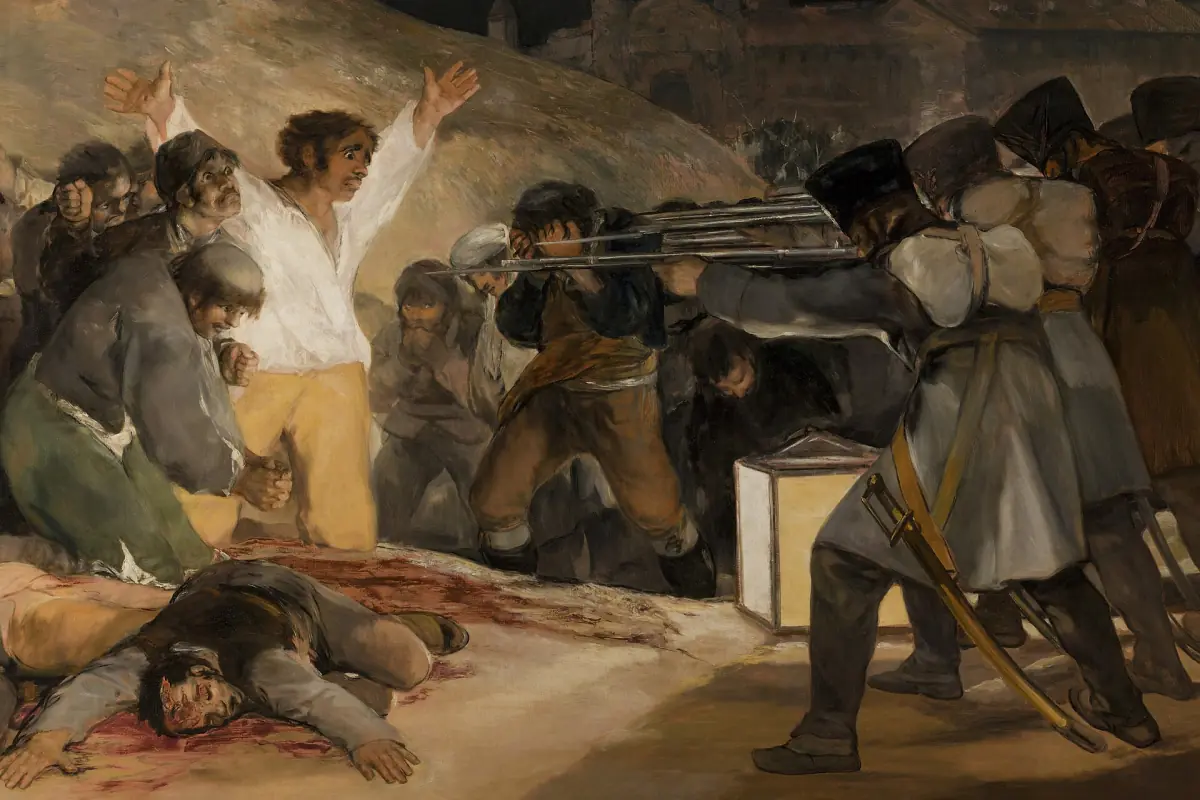
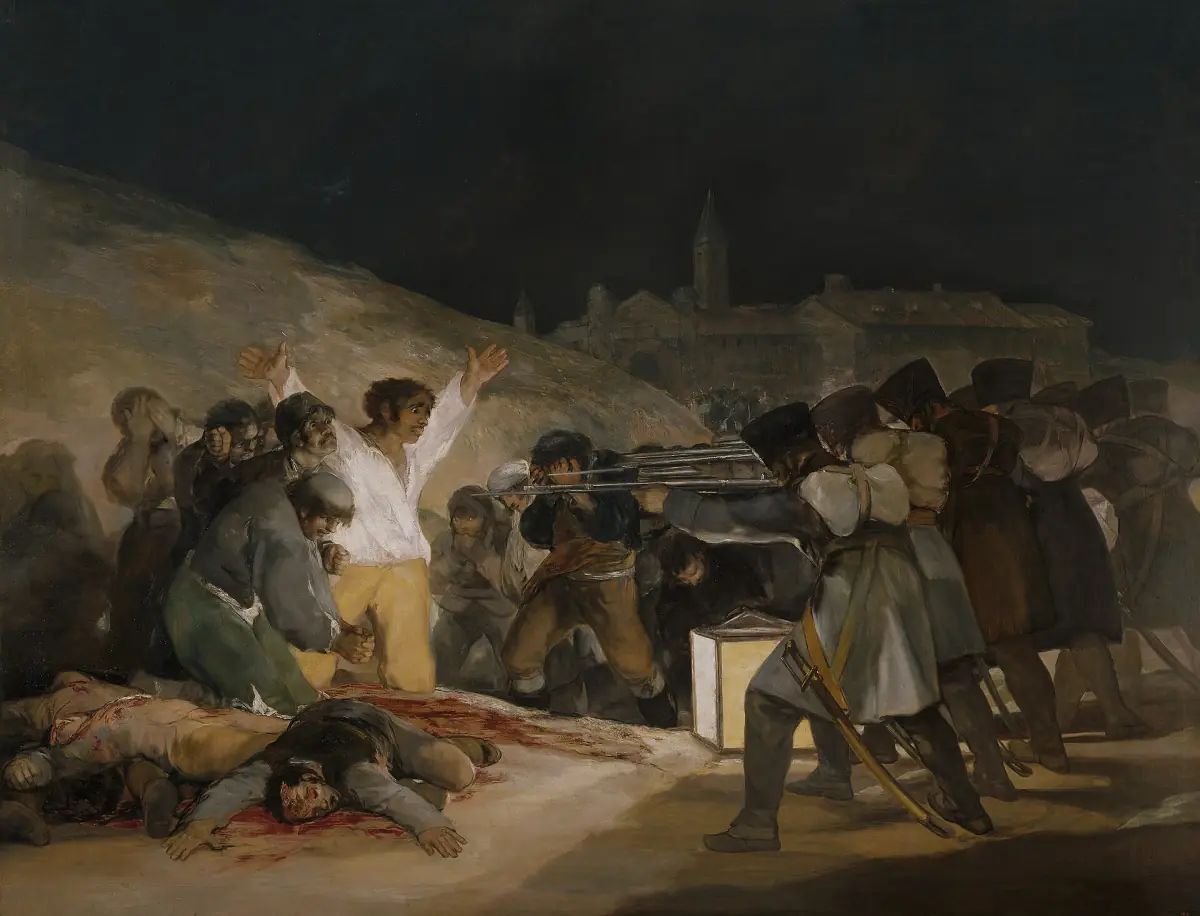
The Third of May 1808 (in Spanish, Los fusilamientos, "the shootings") is an oil painting by Francisco de Goya. It shows the French reprisal after the uprising in Madrid in 1808. The canvas measures 268 × 347 cm. It belongs to the Museo Nacional del Prado in Madrid and is one of the 15 works on the famous paintings page.
This page is an independent guide. It is not run by the museum. It collects the catalogue data that matters for a visit: the date, the size, the room and the practical points that decide how you see it. Prices and times are the 2026 figures and can change.
When it was made and why that matters
One common mistake is worth correcting first.
Events in 1808, paintings in 1814
The scene refers to events of 1808. Goya painted both this picture and its companion in 1814. It is therefore not an eyewitness report made on the day. It is a work made after the war years, with time to think about what to show and how.
What the scene shows
The museum describes it as the French reprisal after the Madrid uprising. The catalogue number is P000749. If you search the museum's collection online, that is the number to look for.
Who ordered the paintings
Many guides say the two paintings were made to decorate the streets for a public celebration. The museum's own catalogue text disagrees with that idea. It ties the order first to the Regency and then to King Fernando VII.
The exact place
Do not rely on guides that name one precise spot in Madrid as the site of the scene. The painting shows the event, but a single undisputed location is not established.
Prado tours and Madrid day trips
Guided Prado visits and Madrid tours, with live prices and availability.
The companion: The Second of May 1808
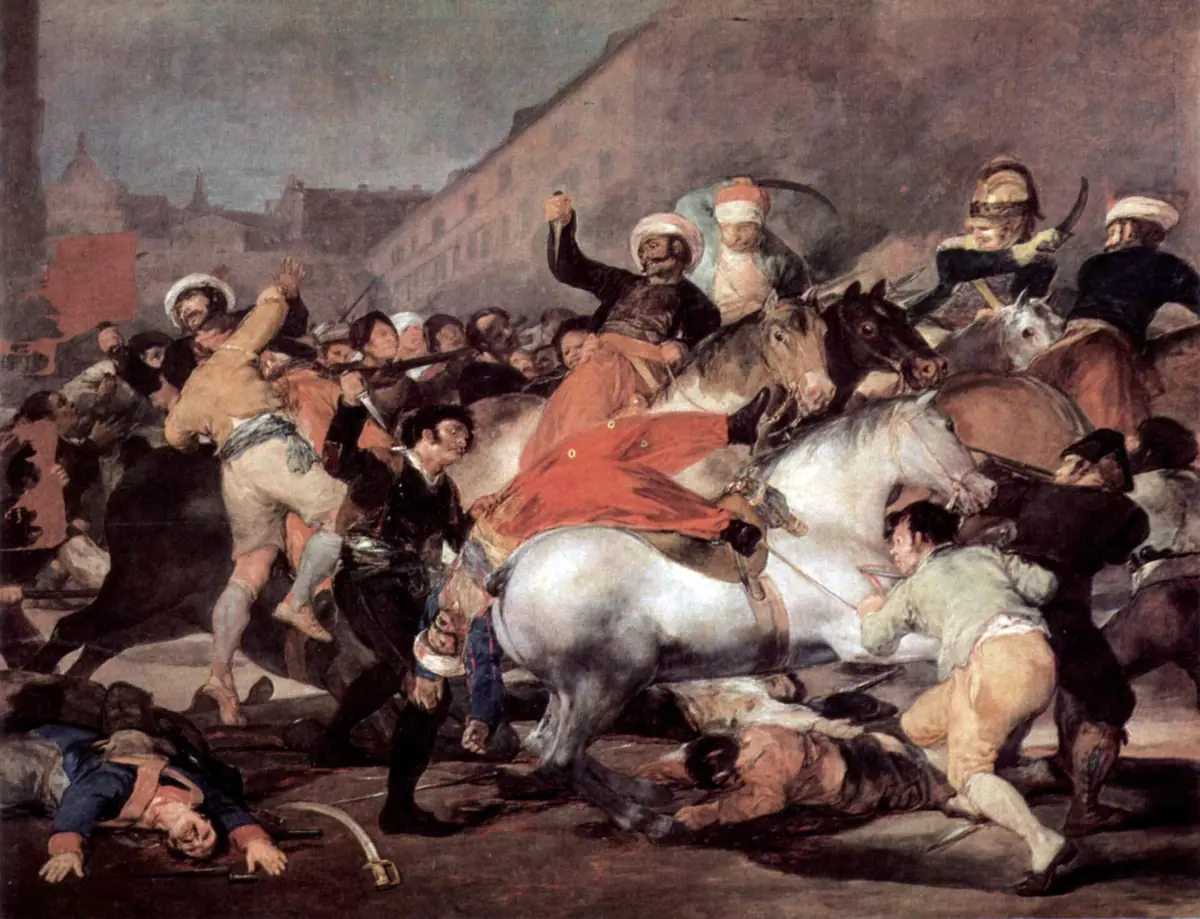
Goya also painted The Second of May 1808, catalogue number P000748. The museum gives it the alternative title La lucha con los mamelucos, "the fight with the Mamelukes". It is the counterpart of the shooting scene and dates from the same year, 1814.
Both records list Room 064. The two paintings belong together, and most visitors look at them one after the other. The catalogue data does not tell you how they hang next to each other today, so treat the order and the distance between them as something to see on the day.
If you have time for only one, look at the Third of May first. Then see the Second of May if you want to understand why Goya made a pair.
How to find it in the Prado
Four steps, in this order.
1. Check the room on the day
The catalogue record gives Room 064. Rooms can close for a time without a price reduction or refund, and the hanging can change. Take the current museum plan with you and ask museum staff if the room is closed.
Prado visit plan →2. Pick your entrance
The Goya entrance serves the ticket desks and the collection. The Jerónimos entrance serves the collection and the special exhibitions, and it is the preferred way in for visitors with reduced mobility. Entrance assignments can change, so follow the signs.
3. Add other Goya works
The catalogue places Saturn Devouring His Son, one of the Black Paintings, in Room 067. That is a different room from the Third of May, so plan a short walk between them. Do not assume the whole Black Paintings cycle hangs together.
Goya's Black Paintings →4. Leave time for the rest
Las Meninas is recorded in Room 012. Plan your own route between these rooms before you start.
15 famous paintings →Tickets, times and rules for 2026
What you need to see the painting.
| Topic | 2026 detail |
|---|---|
| General ticket | €15, covers the collection and the special exhibitions on at the same time |
| Reduced ticket | €7.50 for visitors over 65, holders of a recognised youth pass and large-family card holders |
| Free with proof | Under 18, students aged 18 to 25 and some other groups; the exact age limit for students is worded differently by the museum's pages |
| Opening hours | Monday to Saturday 10:00–20:00, Sunday and holidays 10:00–19:00 |
| Free hours | Monday to Saturday 18:00–20:00, Sunday and holidays 17:00–19:00, subject to capacity |
| Last entry | 30 minutes before closing |
| Closed | 1 January, 1 May, 25 December |
The ticket is personal and gives one entry. If you leave, you cannot come back in with the same ticket. You choose a date and time slot when you buy it online or at the desk.
Free hours do not guarantee entry when the museum is at capacity. If the painting is the main reason you are going, a paid slot earlier in the day is the safer plan. Details are on the tickets page and the hours and free entry page.
Before you go in
Rules that affect this room.
Photography
Photography is not allowed in the collection rooms. The exceptions are the Jerónimos foyer, the Sala de las Musas and the cloister. Plan to look at the painting rather than photograph it.
Bags
Luggage from 40 cm must go to the cloakroom, which is free but has limited space. Items that cannot pass the scanner are not allowed in. A small bag saves time at the entrance.
Getting there
The nearest metro stations are Estación del Arte (line 1, about 800 m) and Banco de España (line 2, about 650 m). On foot that is roughly 10 to 12 minutes at a normal walking pace.
More from this guide
Other paintings and practical pages.
15 famous paintings
Fifteen works with year, artist and catalogue room.
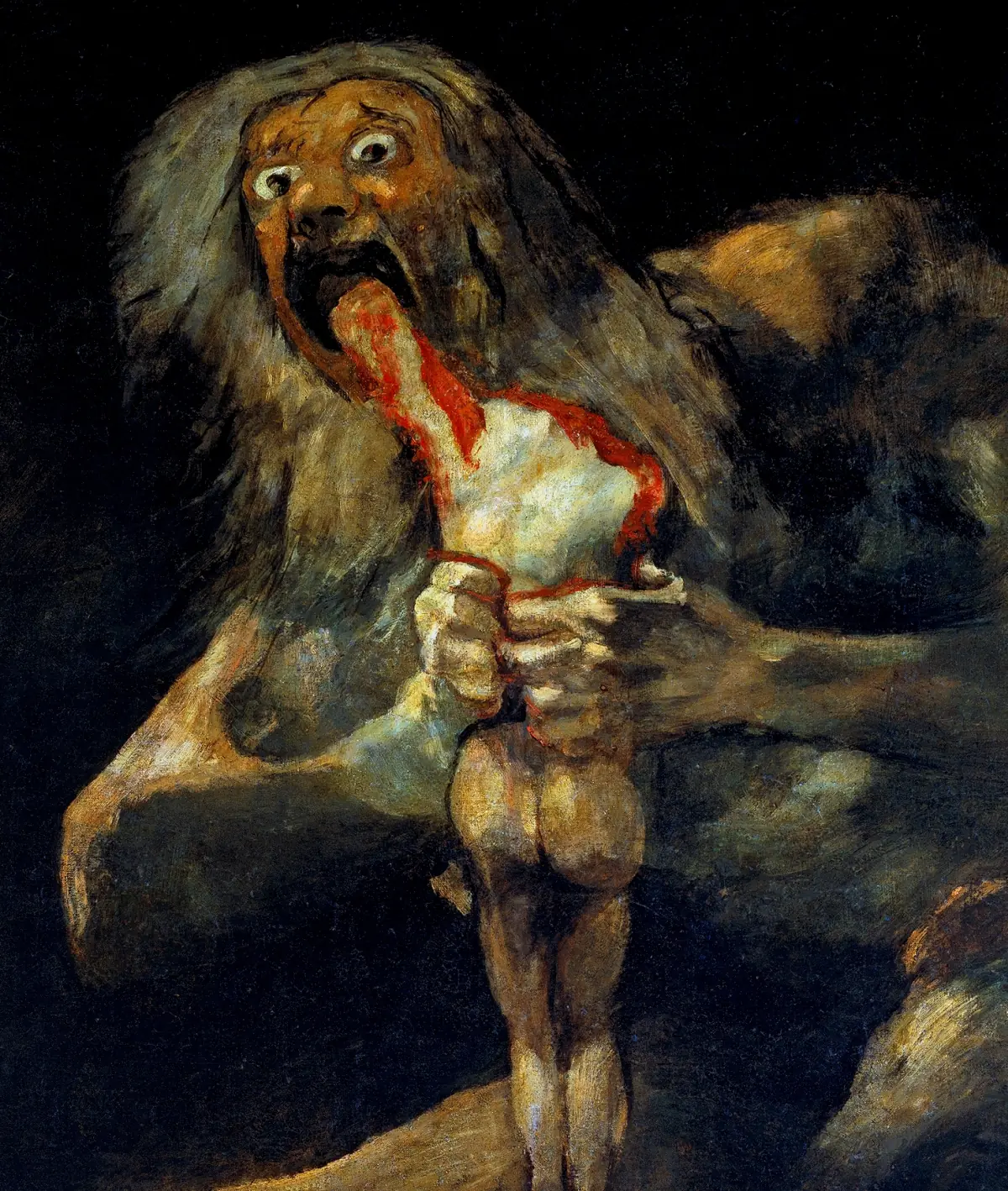
Goya's Black Paintings
The cycle from the Quinta del Sordo and its story.
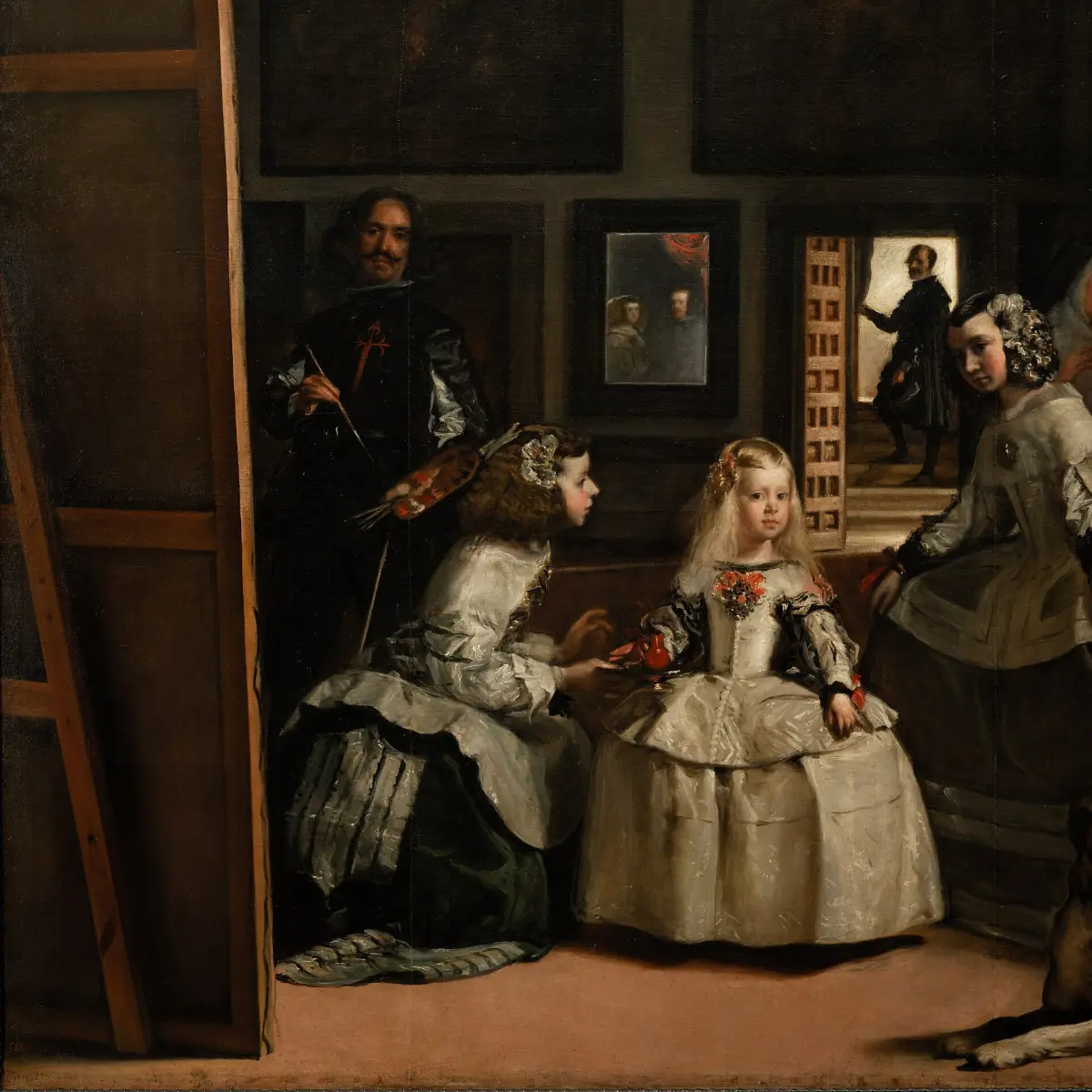
Las Meninas
The painting, its room and how to see it.
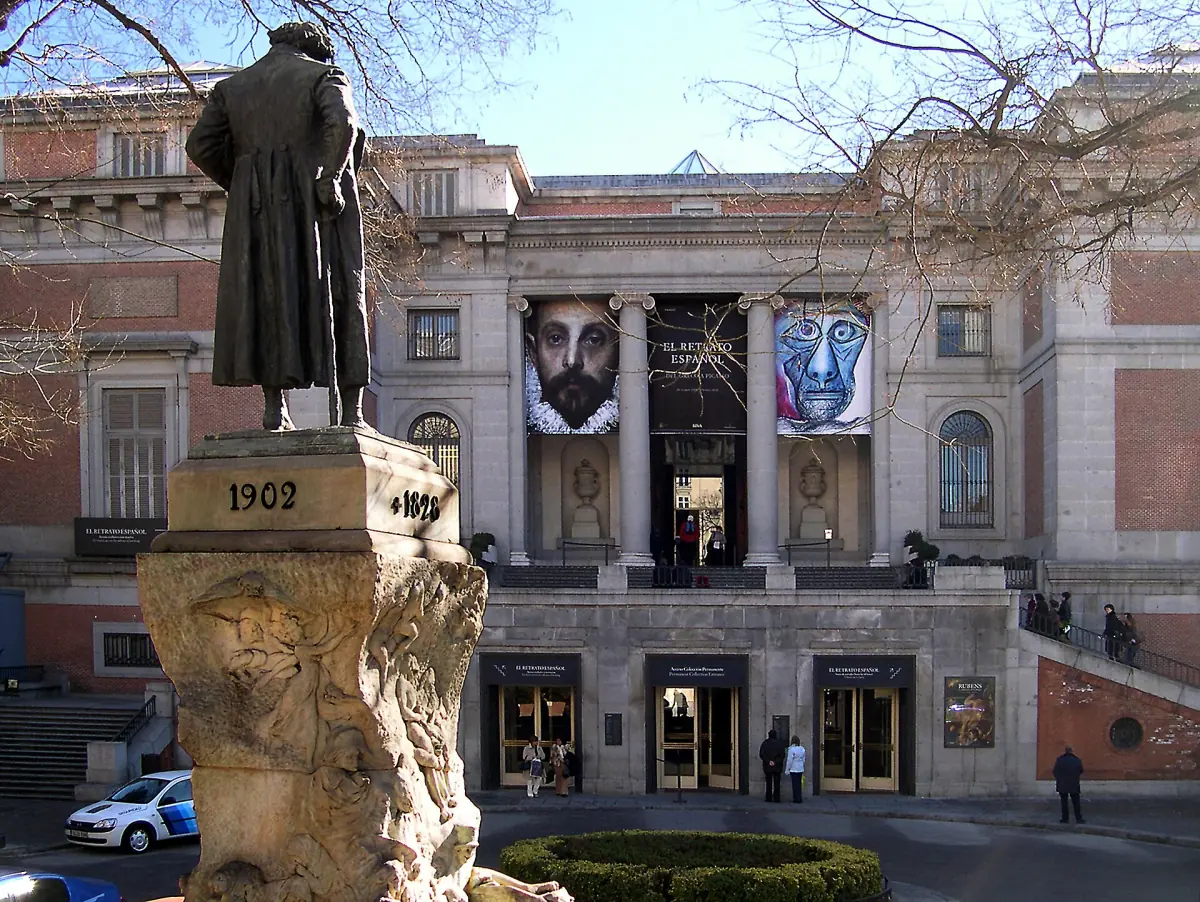
Prado tickets
Prices, reductions and time slots for 2026.
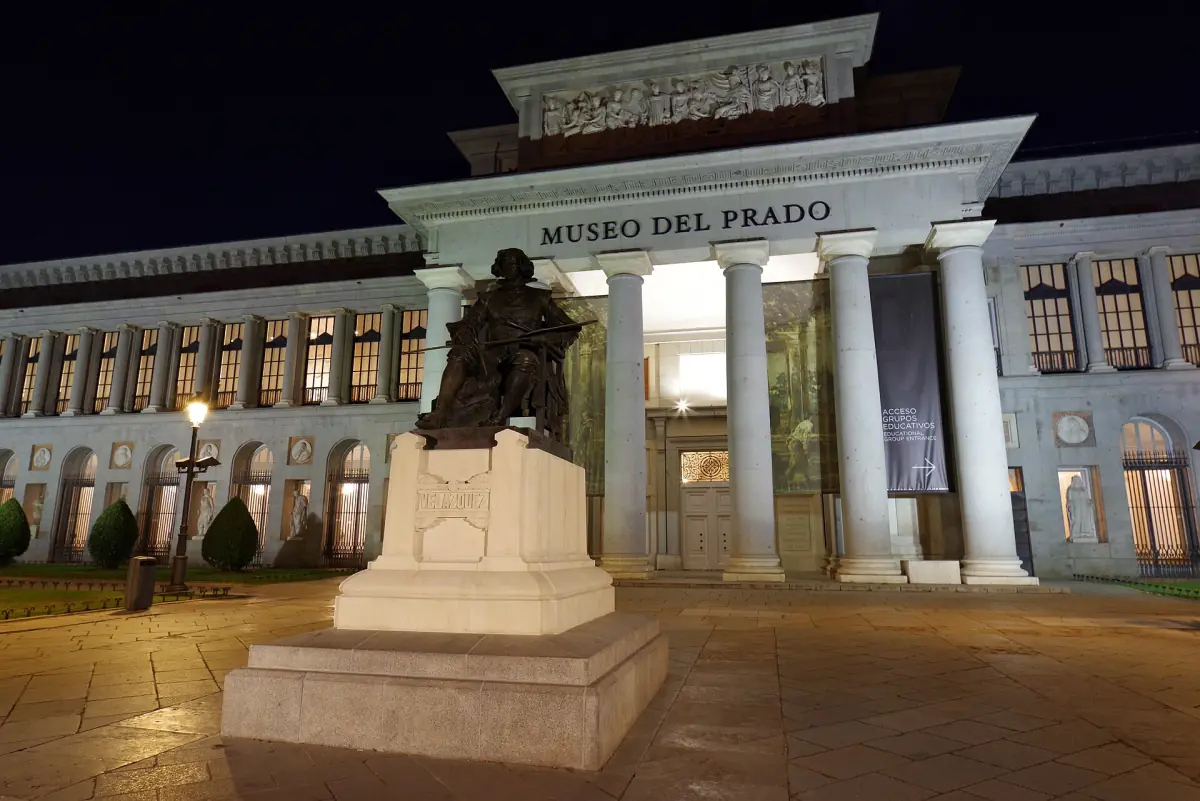
Hours and free entry
Opening times and the daily free hours.
Visit plan
A route through the museum and how much time to allow.
The Third of May 1808: frequently asked questions
Who painted The Third of May 1808?
Francisco de Goya painted it in 1814. It is an oil painting on canvas and measures 268 × 347 cm in the museum's catalogue.
Where is The Third of May 1808 hanging?
The catalogue record gives Room 064 at the Prado in Madrid. Check the current museum plan on the day, because rooms can close and works can move.
Was it painted in 1808?
No. The events took place in 1808, but Goya painted the picture in 1814. It is not a report made on the spot.
Is it the same as The Second of May 1808?
No. They are two paintings of 1814 that belong together. The Second of May (La lucha con los mamelucos) has the catalogue number P000748 and is also recorded in Room 064.
Can I see it for free?
Only during the daily free hours, from 18:00 to 20:00 Monday to Saturday and 17:00 to 19:00 on Sundays and holidays, and only if there is room. Some groups, such as visitors under 18, enter free with proof at any time.
Can I photograph the painting?
Not in the collection rooms. Photography is allowed only in the Jerónimos foyer, the Sala de las Musas and the cloister.